Of the Route delivery note Is the delivery document for one in SAP Business One Drop shipment English: Drop ShipThe goods go directly from the supplier to the customer, without touching your own warehouse. Although the company acts as the seller, neither physical warehousing nor order picking takes place in-house.
Context
Technically, the stock-in-transit business is handled via the transit warehouse (Magazzino di dropshipping) is depicted, which is marked as such in the master data of the warehouse. A customer order for this warehouse generates via the Procurement assistants or, upon copying, a suitable order is automatically created for the supplier with the customer's address as the delivery address. The consignment note then documents that the goods have physically arrived at the customer's premises – without any stock movement in the company's own warehouse, because the drop-ship warehouse is not managed by stock. The posting logic is correspondingly simplified: no material costs to inventory upon delivery, but rather the normal billing (Output invoice to customer: Debtor to Revenue + VAT) and in parallel the supplier's incoming invoice (Expense to Creditor). The Margin This results from the difference; the assumption of risk (transport, returns) is to be regulated contractually between the retailer, supplier, and customer.
Demarcation
The route delivery note is not identical to a regular delivery note from a stocked warehouse: it has no stock effect and no goods issue posting in one's own warehouse. It also differs from Goods Receipt from an order, which usually documents receipt at one's own site. Compared to a Commissioned goods or a classic Consignment store In the drop-shipping business, no warehousing takes place at all – the goods are transported exclusively from the supplier directly to the end customer.

AI in everyday work: Here's how to find the right start

AI assistant meets SAP Business One: Two paths out of the Versino AI shop

Sprint and Swirl: How an AI agent divides work and learns from trials
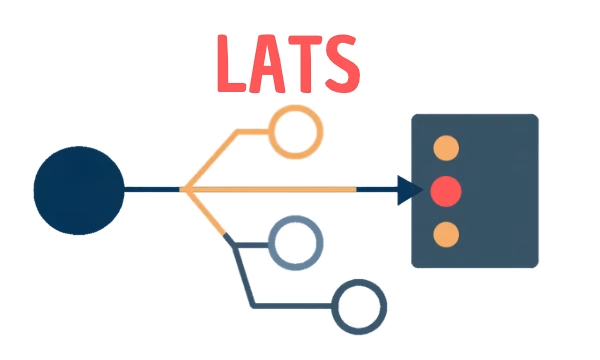
LATS: Considering several paths simultaneously with AI — and the availability check in SAP B1

ReAct and RLEF: How Artificial Intelligence Learns from Real Mistakes — and What Automated Bank Reconciliation in SAP Business One Has to Do with It