On Data silo refers to an isolated database that is only accessible to a specific department or system and is not shared with other areas or applications.
In medium-sized companies, data silos often arise when different departments use independent software solutions, such as separate accounting, warehousing or CRM-systems that are not integrated with each other. This makes the exchange of information more difficult and results in inconsistencies, redundant data storage and limited transparency across business processes.
Demarcation: In contrast to a integrated system For example, in an ERP system (e.g. SAP Business One), which manages data centrally and makes it accessible to several departments, data silos are separated from each other and hinder cross-departmental collaboration.
Example: the financial accounting uses its own software for invoice processing, while the sales department uses a separate CRM system. Without an interface or integration, sales data, for example, cannot be automatically synchronised with accounting data - a classic data silo.
Relevance: Data silos are seen as a major obstacle to digital transformation and data-based decisions. Breaking them down through cross-system integration is a key objective of modern IT strategies in SMEs.

Data quality & AI : AI can only be as good as your data
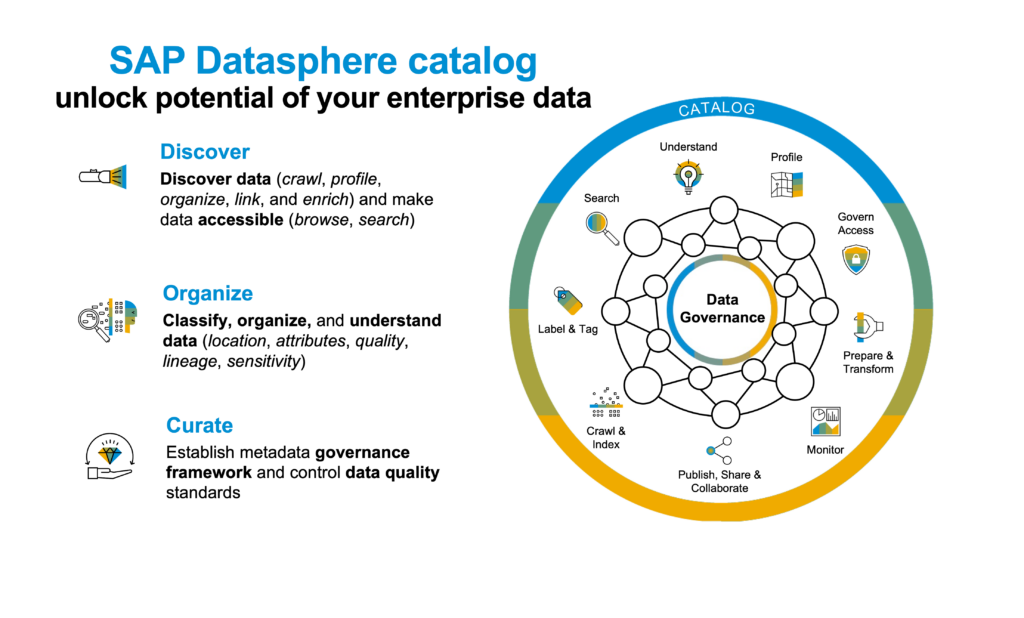
SAP tools for integration & data analysis 2023

Dashboard functions in MARIProject

More key figures transparency in the ERP system

Data warehouse or data lake