The removal of an asset or an asset Partly of an asset from the asset portfolio.
This can occur through sale, scrapping or other types of disposal and is managed in the system's asset accounting.

Types of disposals:
Sale:
An asset is removed by sale.
The system automatically generates a departure document in the Fixed assetswhen a sales invoice is created.
Scrapping:
An asset is removed from the portfolio without being sold, e.g. through physical destruction or amortisation.
Partial retirement:
Only part of an asset is removed from the system.
Full retirement:
The entire asset is removed, either by sale or scrapping.
Posting of the retirement:
When a sale is made, a journal entry is automatically created to document the disposal in the Fixed Assets module.
The asset master record is updated and the affected depreciation areas are visible in the "Valuation" tab.
Additional details:
Transaction types:
SAP Business One, as well as the Verisino Financial Suite support various retirement transactions, including full retirement, partial retirement, full scrapping and partial scrapping.
Low-value assets (GWG): There are special disposal types for low-value assets.
Disposals are always linked to financial accounting and trigger corresponding journal entries.
Example:
A company sells a machine that is no longer being used. As soon as the sales invoice is created in SAP Business One, the system automatically generates a retirement document. The book value of the machine is removed from the fixed assets and the proceeds are recognised in financial accounting.
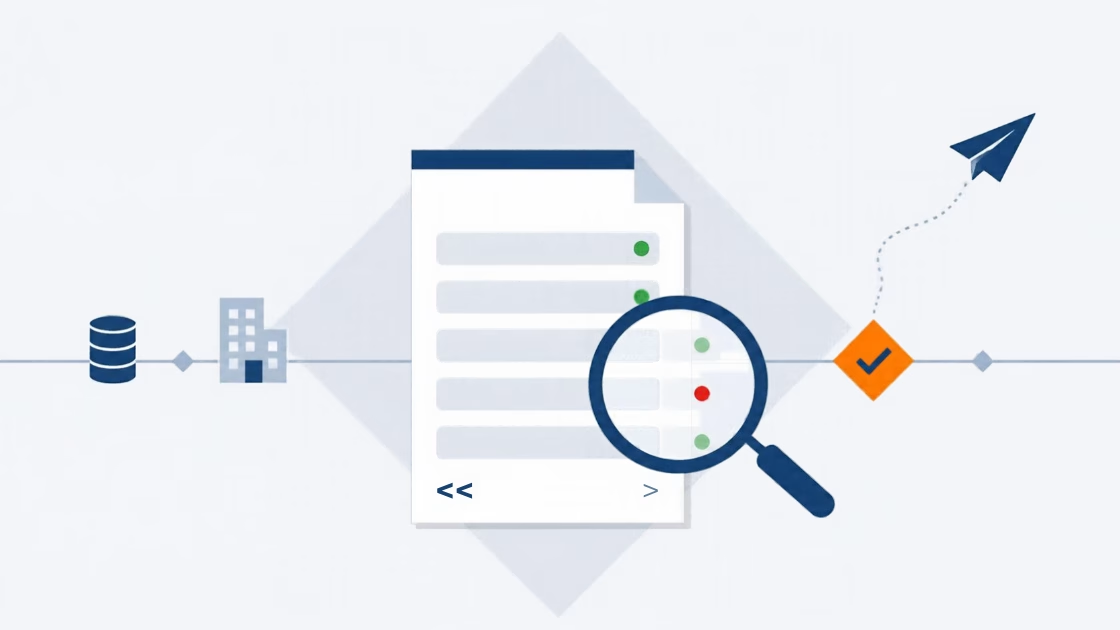
E-Invoice check by Versino Financial Suite

Versino accounting service
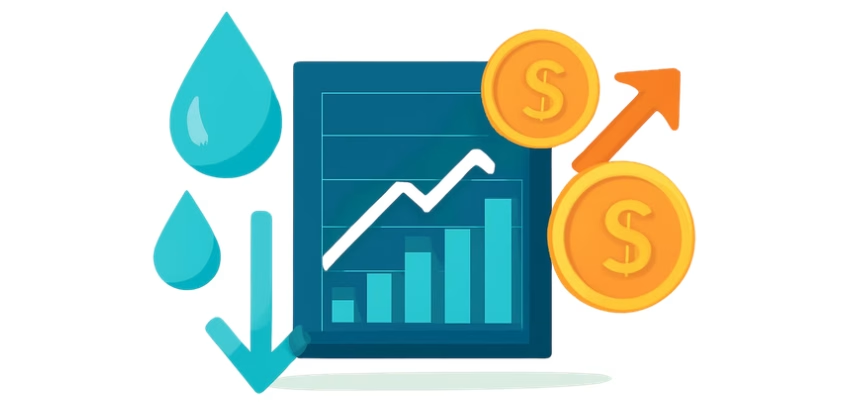
Cash flow planning in SAP Business One: What the Versino Financial Suite does differently

Two free webinars in July: Experience the Versino Financial Suite live
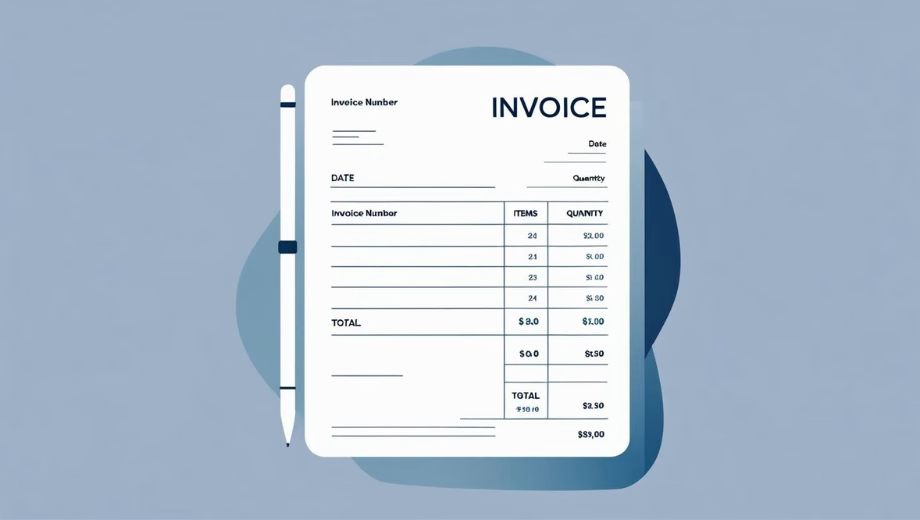
E-Invoicing 2026: What is changing now for SMEs and SAP B1 users