Cloud accounting describes the operation of accounting software on the IT infrastructure of an external provider, which is accessed via the internet. In contrast to the traditional on-premise model, high initial investments in licences and server hardware are eliminated in favour of a flexible subscription model. The provider takes care of maintenance, security and updates centrally, which relieves the burden on internal IT and enables location-independent access to real-time data. This operating model is the basis for modern ERP solutions such as the SAP Business One Cloud. The flexibility of the cloud is also reflected in the easy expandability of the system through specialised add-ons, which, like the Versino Financial Suite can be seamlessly integrated to provide additional, in-depth financial functionalities.
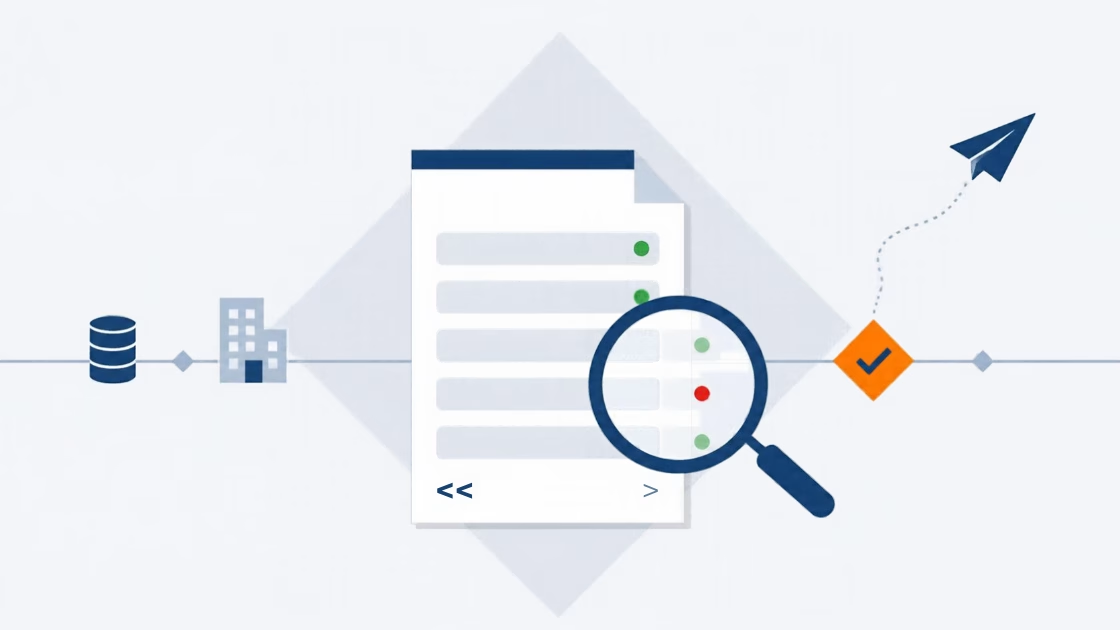
E-Invoice check by Versino Financial Suite
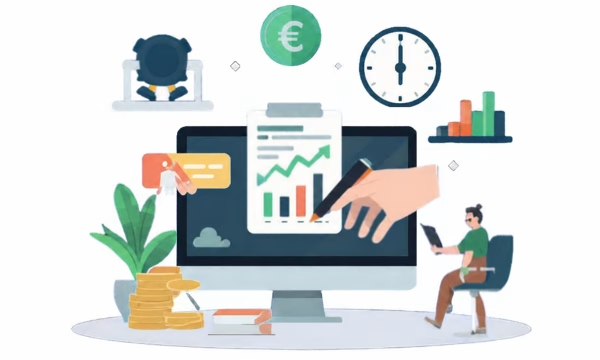
Versino accounting service
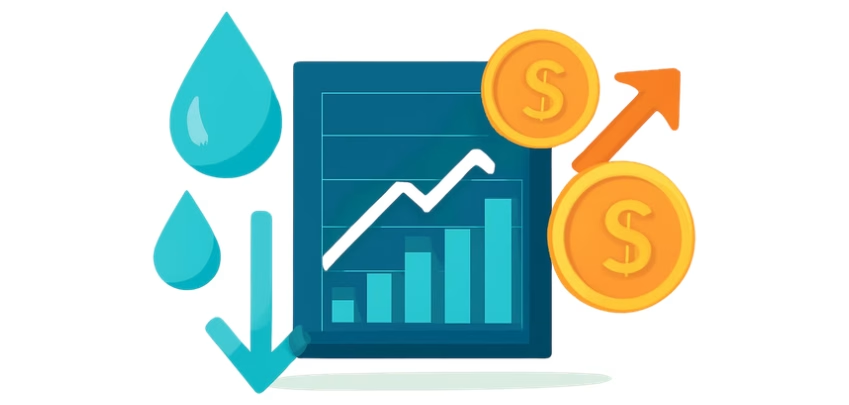
Cash flow planning in SAP Business One: What the Versino Financial Suite does differently
Two free webinars in July: Experience the Versino Financial Suite live
E-Invoicing 2026: What is changing now for SMEs and SAP B1 users