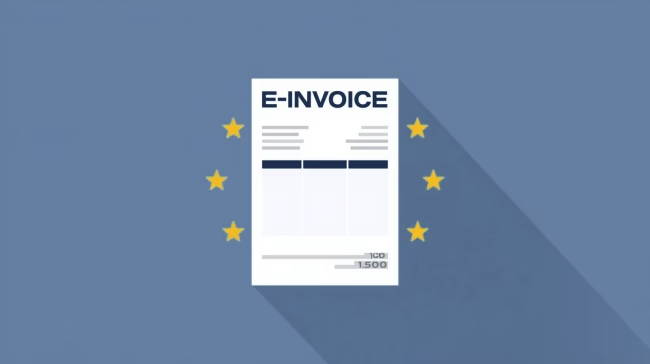
As the German XML format for electronic invoices, XRechnung implements the European Directive 2014/55/EU in a technically binding structure - and thus creates the basis for fully automated invoice processing.

Context: In the SAP and SME environment, the XRechnung is the central format for communication with public clients and increasingly also in the B2B sector. Unlike a PDF, it only contains structured XML data - so it can be read directly into accounting systems without manual post-processing. The so-called routing ID, which uniquely identifies the recipient, is mandatory for government invoices. They are sent via platforms such as ZRE or OZG-RE, via the PEPPOL-network or by e-mail. The Coordination Centre for IT Standards (KoSIT) manages the standard; version 3.0.x has been in force since February 2024. XRechnung has been mandatory for suppliers to federal authorities since the end of 2020, while B2B sales will be subject to a gradual introduction obligation from 1 January 2025.
Demarcation: A PDF invoice is considered a digital invoice, but not a structured e-invoice in the sense of the legal requirements. Compared to ZUGFeRD, which embeds XML data in a PDF (hybrid format), the XRechnung is a pure XML file without a visual component - therefore not directly readable by humans, but ideal for machine processing.

E-Rechnungs-Check der Versino Financial Suite
Webinar E-Invoice Final Rush

E-Invoicing 2026: What is changing now for SMEs and SAP B1 users
E-Invoicing 2026: From Receipt to Mandatory Issuance — what SMEs must clarify now

E-invoicing in Europe: Harmonised standard and national fragmentation

E-invoicing in SMEs: The clock is ticking

France E-invoicing 2026: What companies with a French tax number need to know now

Service description in the e-invoice: How much detail really needs to be included?
Verifactu in Spain: the new invoicing obligation