
T-accounts are the fundamental didactic tool of double-entry bookkeeping and serve as a simplified, visual representation of a single bookkeeping account. The name is derived from the graphic form, which resembles a "T": The account name is above the horizontal line, while the vertical line divides the account into two sides. The left-hand side is known as the Target-side, the right side is labelled Have-page. Every entry in the company is recorded as a business transaction that always affects at least two accounts - a debit entry in one account and a corresponding credit entry in another account ("debit to credit"). Even if no one keeps T-accounts manually in modern accounting programmes, this principle remains the invisible logical basis for every single transaction. The entire structure of the Financial management in SAP Business One is based on this "should-have" system. Powerful analysis tools, such as the Versino Financial Suite allow the user to drill down from an aggregated report value to the level of individual debit and credit postings, which corresponds to the digital analysis of a T-account.

Experience liquidity planning in SAP Business One live: The webinars on the new Versino Financial Suite

Financial chat for SAP Business One: How he answers questions about numbers and when he prefers not to answer

Versino Financial Suite Major Release: End of the SAP window cage
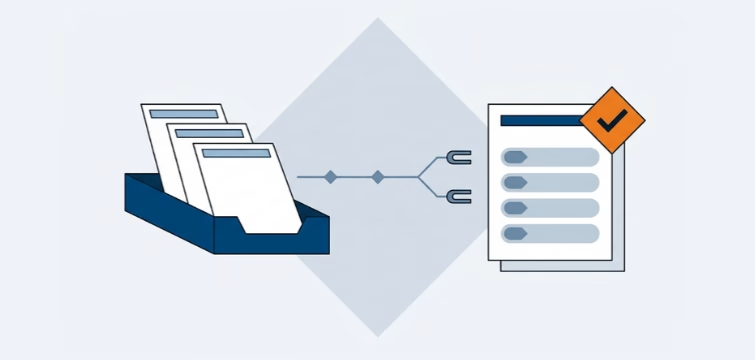
Account statement processing: What the Versino Financial Suite will offer in the future — a preview of accounting
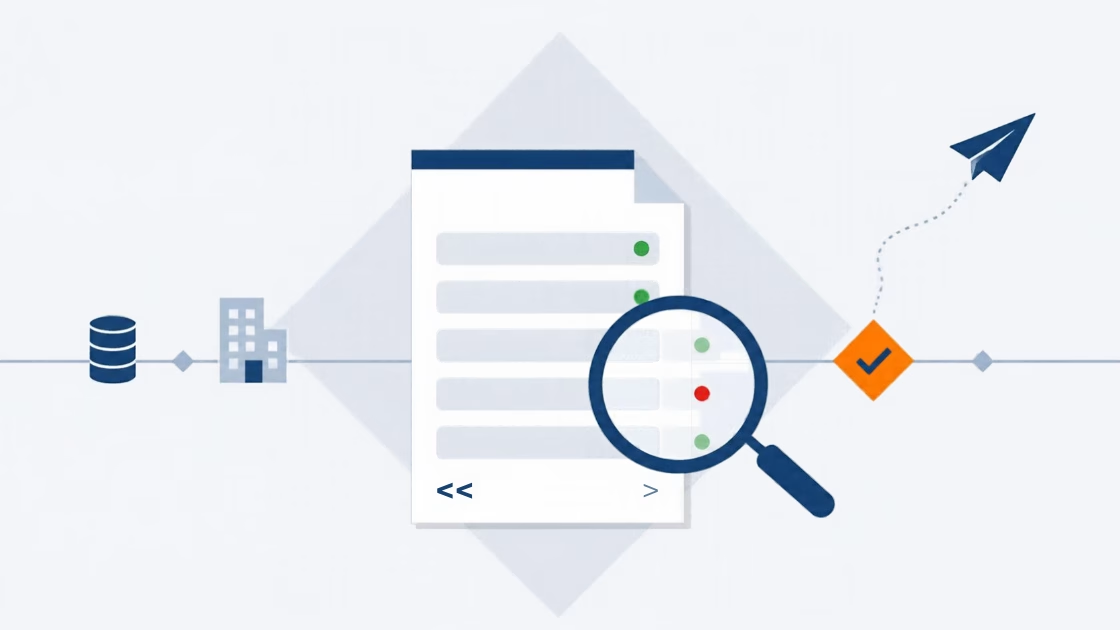
E-Invoice check by Versino Financial Suite