In today's intelligent world, the ability to solve problems is
Read More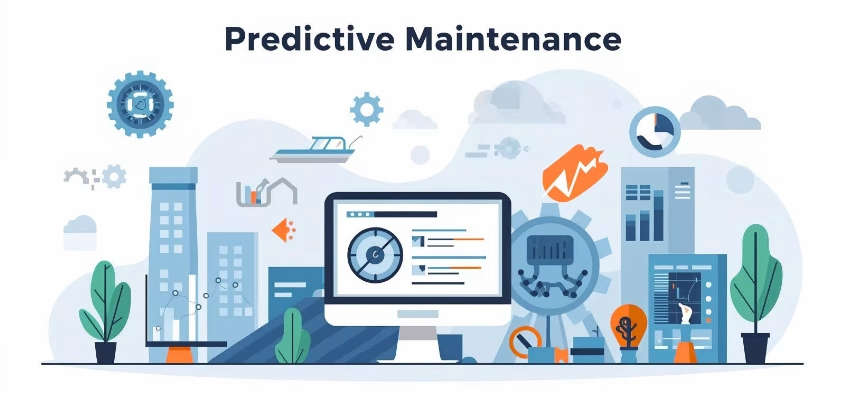
1
Feb
Everything to do with SAP Business One, ERP projects and business software
In today's intelligent world, the ability to solve problems is
Read More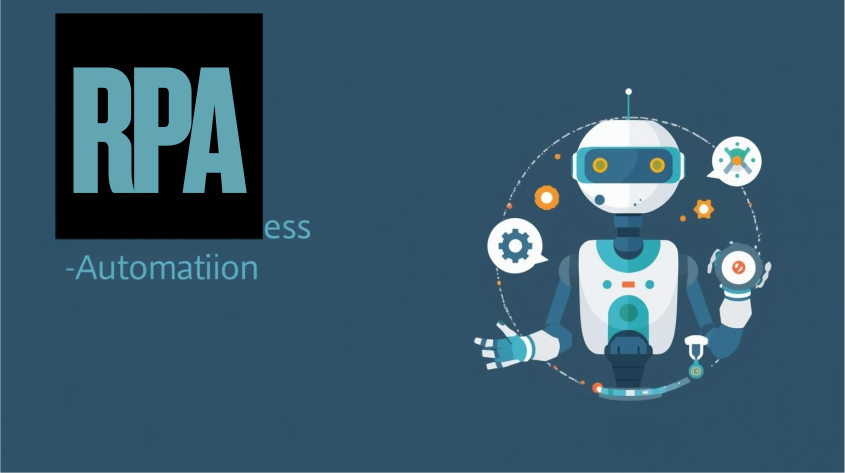
Many ERP systems run processes on a daily basis that are necessary but do not add value. Employees spend valuable time manually entering orders, laboriously checking invoices or comparing documents. As a result, these repetitive tasks tie up resources that are more urgently needed elsewhere. This is precisely where Robotic Process Automation (RPA) comes in. Software robots take over these tasks, work around the clock and document every step seamlessly. Especially for medium-sized companies, RPA in combination with the existing ERP system opens up a concrete entry into automation without having to change the entire system.
Read More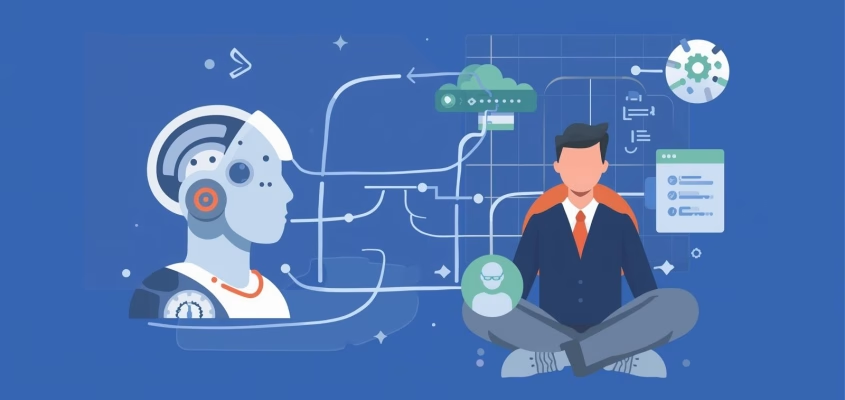
With the advent of generative AI and large language models (LLMs), the role of ERP systems is changing fundamentally. Instead of just booking transactions, storing data and delivering reports, they are evolving into interactive, learning systems. As a result, they support human decisions, accelerate processes and can even replace parts of them.
Read More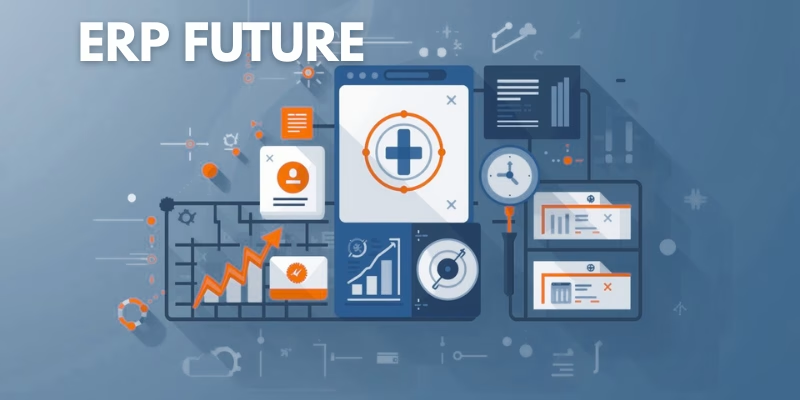
However, the solution approach is not to replace the monolith, but to modularise it step by step: Using an API-first strategy, external microservices, a clear three-tier architecture and hybrid integrations in cloud platforms, the ERP core is decoupled, supplemented in a targeted manner and progressively relieved - without jeopardising ongoing operations.
Read More
Today, companies are investing massively in AI technologies, intelligent automation and modern
Read More
Enterprise resource planning (ERP) systems form the digital backbone of medium-sized companies. Because as
Read More
The invisible AI in the office While many medium-sized companies are still
Read More
When small and medium-sized enterprises (SMEs) think of SAP Business One, one image often comes to mind: a rock-solid, reliable ERP system that has been reliably mapping core processes from accounting to warehouse management for years. It is the reliable engine in the background, but perhaps also a system that is not necessarily associated with the buzzwords „AI“, „low-code“ or „modern cloud architecture“.
Read More
Since the introduction of the Financial Cockpit at the start of 2025, it has been clear that the strategic focus of the Versino Financial Suite is increasingly shifting towards a centralised, powerful platform for accounting and controlling in SAP Business One. The current release V09.2025 once again adds important functions that are particularly important for corporate groups, tax firms and shared service centres.
Read More
Medium-sized companies are under increasing pressure to work efficiently, fulfil regulatory
Read More