Liquidity describes the ability of a company to fulfil its short-term payment obligations on time. In SAP Business One, liquidity is analysed and managed using various reports, forecasts and key figures.

In SAP Business One, liquidity is closely linked to the areas of financepayment processing and cash flow management. The solution offers integrated tools such as Cash flow reportsliquidity forecasts and financial ratios based on current booking data, drafts and planned transactions. Through machine learning (only in SAPHANA-version), forecasts become increasingly precise over time.
Integration into business processes:
Liquidity monitoring influences numerous processes such as payment planning, investment decisions, credit management and dunning. It is based on real-time data from purchasing, sales and financial accounting.
Versino Financial Suite
With the Versino Financial Suite SAP Business One users gain a fast, highly transparent overview of all cash and cash flows. The Financial Cockpit makes liquidity checks, reconciliations and operational management much more convenient and secure
Relevant modules and functions:
- finance
- Bank processing
- Payment and dunning assistant
- Cash flow analysis
Concrete application examples:
- A CFO recognises impending liquidity bottlenecks through the cash flow forecast and postpones planned investments.
- A controller uses KPIs such as the quick ratio and CCC to assess short-term solvency.
- A clerk plans payments with the Payment wizardsto take advantage of cash discounts.
Key features/important aspects:
- Cash flow reports and forecasts with granular time intervals
- Integration of all relevant bookings and drafts
- Availability only in SAP HANA for machine learning and visual forecasting
- Financial KPIs such as quick ratio, cash ratio, CCC and working capital
Target group:
Financial managers, controlling, management, SAP consultants
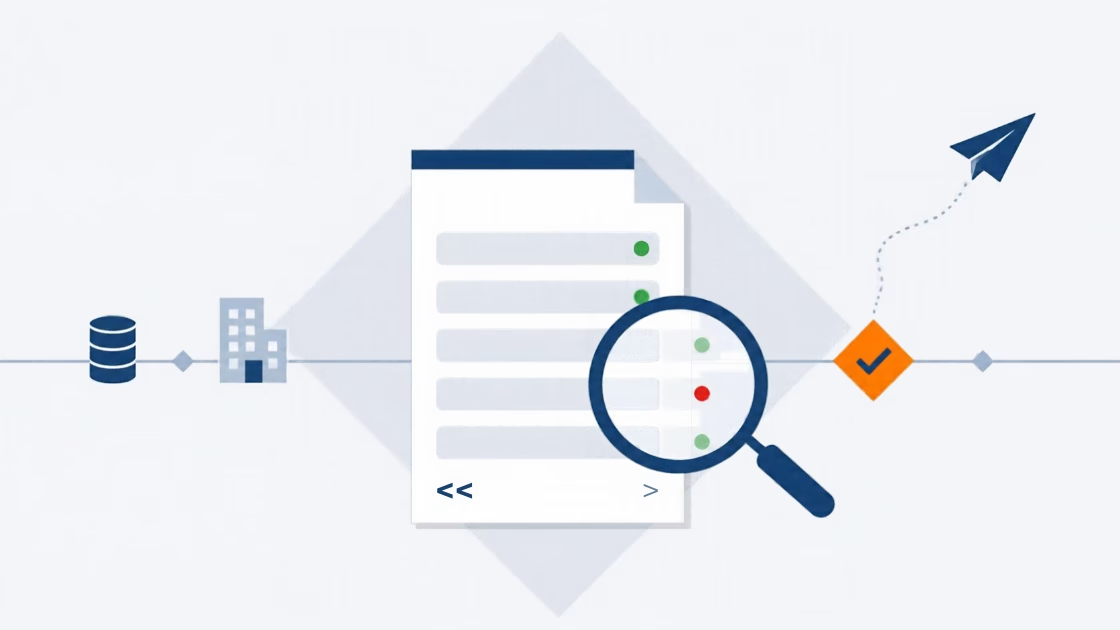
E-Invoice check by Versino Financial Suite

Versino accounting service

Cash flow planning in SAP Business One: What the Versino Financial Suite does differently

Two free webinars in July: Experience the Versino Financial Suite live
E-Invoicing 2026: What is changing now for SMEs and SAP B1 users