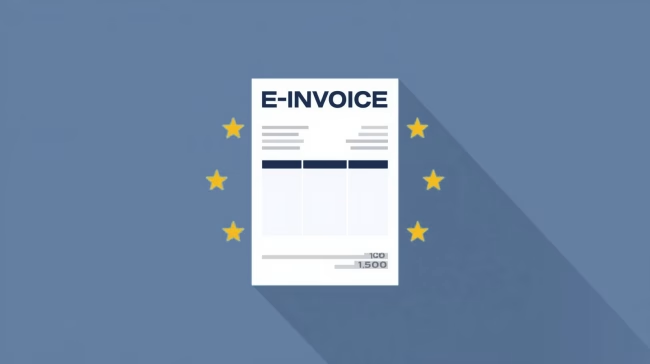
That Growth Opportunities Act (BGBl. I 2024 No. 108) has revised the rules for invoicing in accordance with § 14 UStG. The new rules apply to sales that are carried out after December 31, 2024 (BMF letter 2024, p. 1). For invoicing, the law is thus the basis for the e-invoicing obligation.
Key point for the invoicing
The core point is the mandatory e-invoice for transactions between domestic entrepreneurs. Since January 1, 2025, an invoice is only considered an e-invoice if it is presented in a structured electronic format. This format must allow for electronic processing (§ 14, paragraph 1, sentence 3, UStG; BMF letter of 2024, item 4).
Transitional periods
Section 27, paragraph 38 of the UStG schedules the reporting obligation over time (BMF letter 2024, paragraphs 63 to 65). Until December 31, 2026, a transitional arrangement applies to all entrepreneurs. Until December 31, 2027, it remains in effect for entrepreneurs with an annual turnover of up to 800,000 euros. From January 1, 2028, all entrepreneurs in Germany must issue electronic invoices to other domestic entrepreneurs.
Legal status: MF Treasury letter 2024.

E-Invoice check by Versino Financial Suite
Webinar E-Invoice Final Rush

E-Invoicing 2026: What is changing now for SMEs and SAP B1 users
E-Invoicing 2026: From Receipt to Mandatory Issuance — what SMEs must clarify now

E-invoicing in Europe: Harmonised standard and national fragmentation

E-invoicing in SMEs: The clock is ticking

France E-invoicing 2026: What companies with a French tax number need to know now

Service description in the e-invoice: How much detail really needs to be included?
Verifactu in Spain: the new invoicing obligation