E-invoicing in SMEs: The clock is ticking
24 March

E-invoicing in SMEs: The clock is ticking

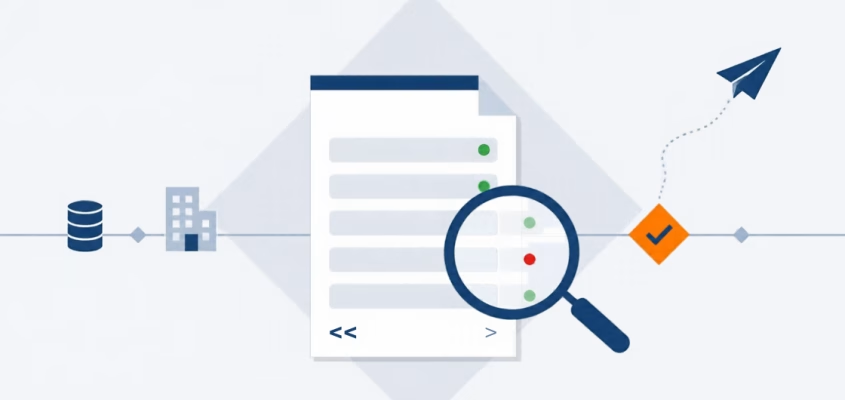
From 1 January 2025, a mandatory requirement for the receipt of structured electronic invoices will apply to all domestic B2B companies in Germany. No deferral, no transition period for receipt – those who are not yet ready to receive today will no longer be acting in accordance with the law. For medium-sized companies, this means that e-invoicing is not a project for tomorrow. It is already a legal obligation.

Read More
Service description in the e-invoice: How much detail really needs to be included?
5 Dec

Service description in the e-invoice: How much detail really needs to be included?

The introduction of the mandatory e-invoice shifts the focus away from the mere PDF towards structured data. This is particularly noticeable in the service description: what was previously often outsourced to attachments, service specifications or delivery notes must now at least essentially be in the data file of the e-invoice itself.

Read More
The e-invoicing regulations in Europe
2 Nov

The e-invoicing regulations in Europe

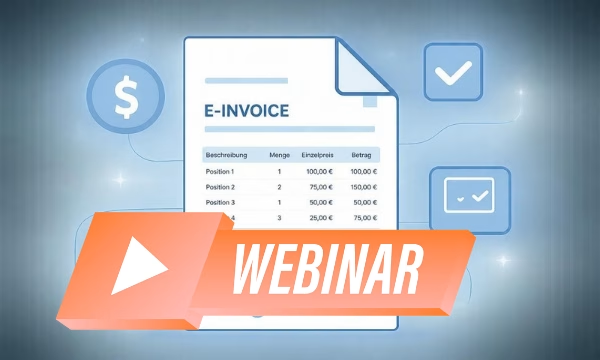
Electronic invoicing is no longer a topic of the future, but is becoming a legal requirement in many European countries. Driven by EU initiatives such as ViDA (VAT in the Digital Age), a patchwork of national regulations with an increasingly binding character is emerging. For companies - especially SMEs - this means that the transition from paper-based or PDF invoices to structured, machine-readable e-invoices is no longer optional, but a regulatory necessity

Read More
E-invoicing - The flexible EN 16931 standard
13 Nov

E-invoicing - The flexible EN 16931 standard

With the mandatory introduction of e-invoicing, based on the EU-wide EN 16931 standard, companies are faced with the challenge of not only optimising their processes, but also remaining flexible in the long term. What initially appears to be a compulsory technical task reveals a key question on closer inspection: how can companies prepare for future changes without ending up in a technical dead end?

Read More