Another new feature in SAP Business One 9.1 is the use of perpetual inventory management. In addition to the moving average price valuation method, the standard price valuation method and the FIFO valuation method, the series/batch valuation method can now also be used.
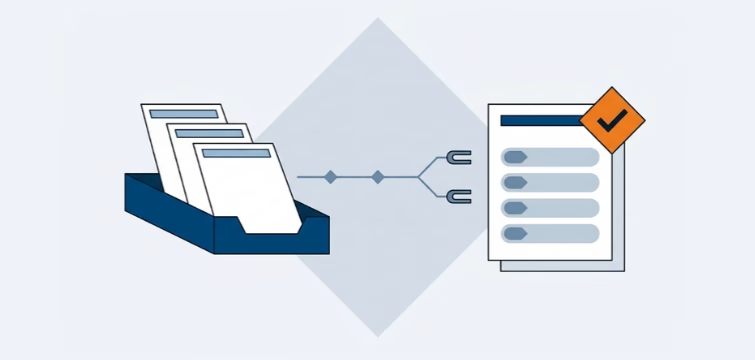
Read MoreAccount statement processing: What the Versino Financial Suite will offer in the future — a preview of accounting

Outlook: The upcoming account statement processing of the Versino Financial Suite generates CAMT-053 extracts as a draft in SAP Business One.
Read MoreAI in everyday work: Here's how to find the right start
AI in everyday work rarely fails with the tool itself, but with the constant need to learn. In the process, you are already bringing the most important part along: your expertise. Two prompts help you find the right starting point.
Read MoreAI assistant meets SAP Business One: Two paths out of the Versino AI shop
Claude, Copilot, and other AI assistants have arrived at the office. What they lack is SAP Business One. The Versino AI shop offers two ways to change that: the SAP B1 MCP for direct access to your data and the Versino Skills for verified SAP B1 expertise. Monthly subscription available starting at €5 per user.
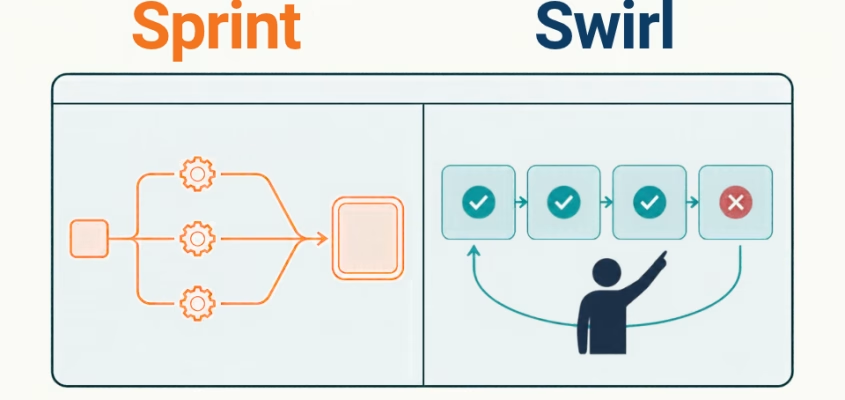
Read MoreSprint and Swirl: How an AI agent divides work and learns from trials
This series deals with artificial intelligence in interaction with
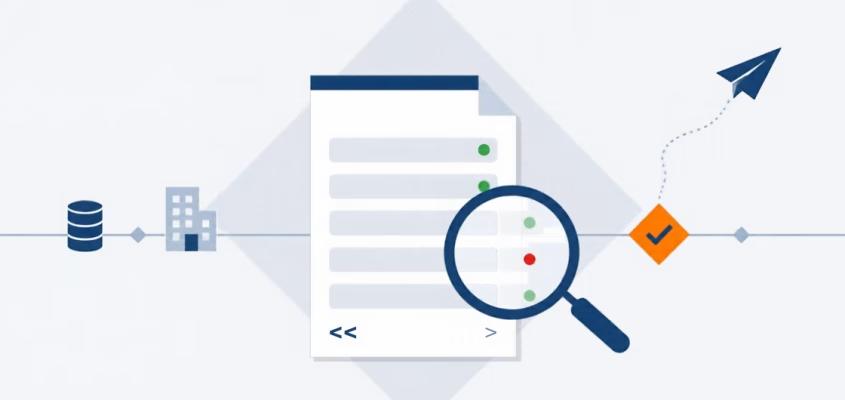
Read MoreE-Invoice check by Versino Financial Suite
An e-invoice can be generated in no time. SAP Business One includes XRechnung as standard, and anyone working with cks.eINVOICE or the Coresuite Designer can also produce the finished file without too much hassle. One click, one document, done. That’s the ideal scenario. In practice, e-invoices rarely fail because of the generation process, but because of their content. The validation process asks for a buyer reference that has never been maintained. It asks for a contact person with a telephone number or for your own IBAN. And it usually only asks for this once the invoice is already on its way. The new e-invoice check in the Versino Financial Suite verifies the e-invoice before it leaves the company.
Read MoreOne Day, the Whole B1 Ecosystem: Solution Day Connect Comes to Almere / Amsterdam
On October 22, 2026, the SAP Business One community will meet in Almere for a full day of demos, fresh ideas, and authentic conversations. For partners. By partners.
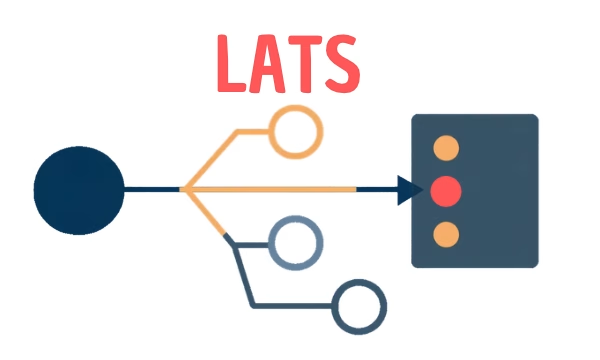
Read MoreLATS: Considering several paths simultaneously with AI — and the availability check in SAP B1
This series focuses on artificial intelligence in conjunction with SAP Business One. Not as a collection of product announcements, but as an attempt to calmly consider fundamental AI principles and reflect on them using an example from everyday ERP use. This time, the topic is one that goes far beyond pure text generation. How does an AI model decide when a task requires not just a correct next sentence, but several steps that build upon each other? The technical term for this is Language Agent Tree Search, or LATS for short.
Read MoreWebinar E-Invoice Final Rush
A lot has already been written about the e-invoicing requirement. One might think that the issue is settled: the receiving obligation applies from 2025, the formats are known, SAP Business One can handle it. It could be thought that this is all settled.
It’s not. Because the crucial question remains unanswered for most companies so far: Which date actually applies to you personally? And the answer to that is emerging right now, in your ongoing figures for 2026.
Read MoreVersino accounting service
Versino offers SAP Business One customers a dedicated bookkeeping service for this. As an external service provider, the Versino bookkeeping service takes over parts of the accounting directly within the customer's existing SAP B1 system. There is no change of system and no data export to third-party software. Versino works where the data resides anyway.
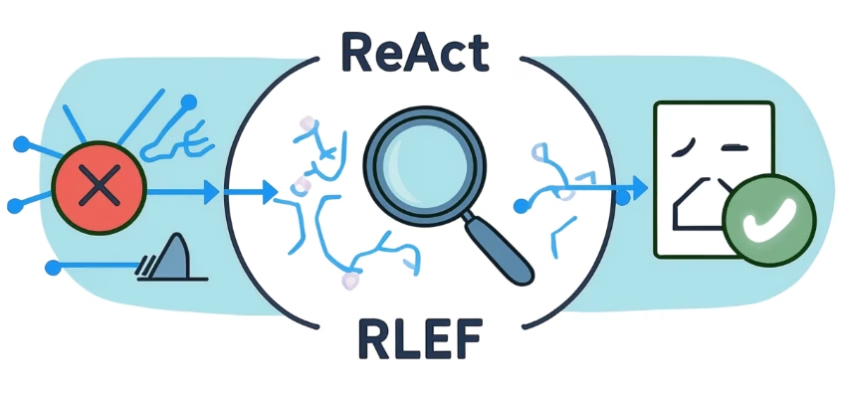
Read MoreReAct and RLEF: How Artificial Intelligence Learns from Real Mistakes — and What Automated Bank Reconciliation in SAP Business One Has to Do with It
This is the fourth episode in a series on this blog that deals with AI fundamentals in combination with SAP Business One. Up to now, it has mainly been about what a language model learns before it is even used: human ratings, trial and error, and the step-by-step checking of intermediate results. This episode reverses the perspective. It is about what happens while a model is already working, using a tool or having code executed, and how it reacts to what actually comes out of it. Two methods are at the centre that sound more similar than they actually are: ReAct and RLEF.
Read More